Grasping value prevents washed-out pairings, chroma control avoids accidental pastels, and temperature alignment keeps wood, stone, and textiles from clashing. We'll compare paint chips, fabric swatches, and wardrobe staples under daylight and warm bulbs to reveal subtle yet decisive differences.
Anchor your choices with a compact toolkit: soft white for breadth, ivory for warmth, camel for depth, taupe for grounding, charcoal for punctuation. Each shade earns a job description, minimizing decision fatigue while preserving flexibility for texture, pattern, and artful contrast.

Overreliance on stark white, ignoring undertones, and mixing conflicting temperatures can flatten everything. Learn testing rituals, like painting poster boards, photographing in different light, and wearing trial outfits for a week, so your eye calibrates and your confidence grows each decision.
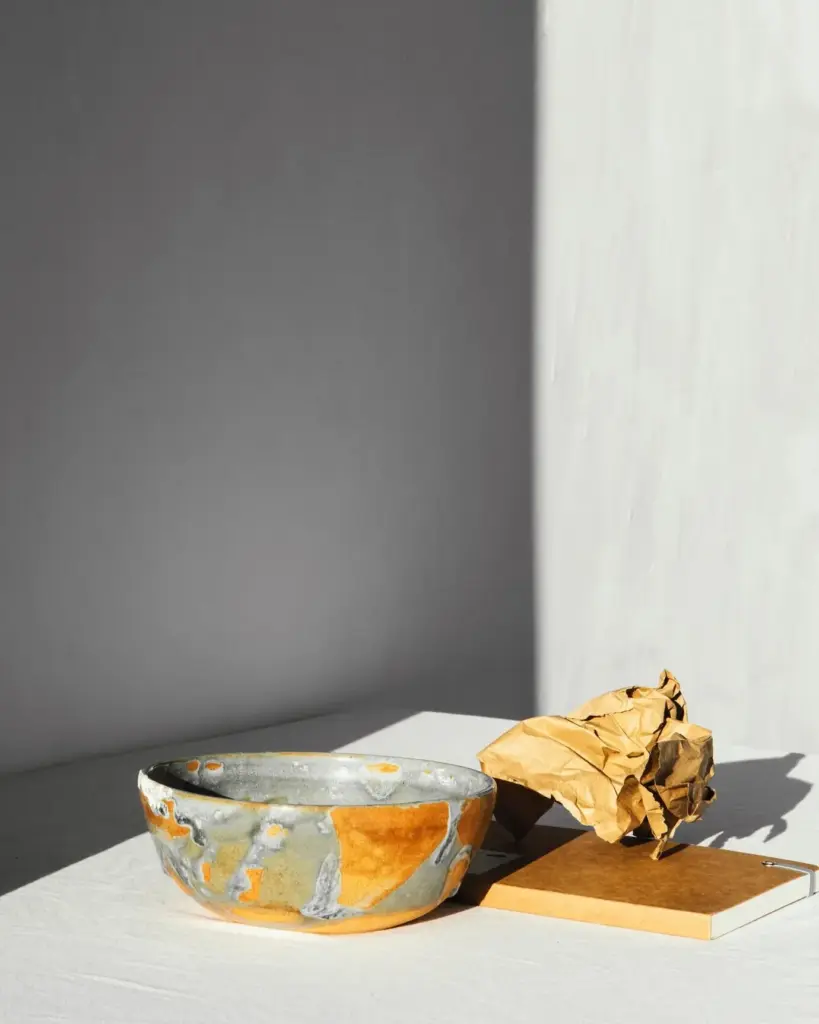
Pair caramel and almond beiges with brass fixtures, walnut veneers, and terracotta accents to cultivate warmth without heaviness. A story: a client's north-facing apartment felt chilly until we introduced patinated brass pulls and a walnut console, transforming the mood instantly.
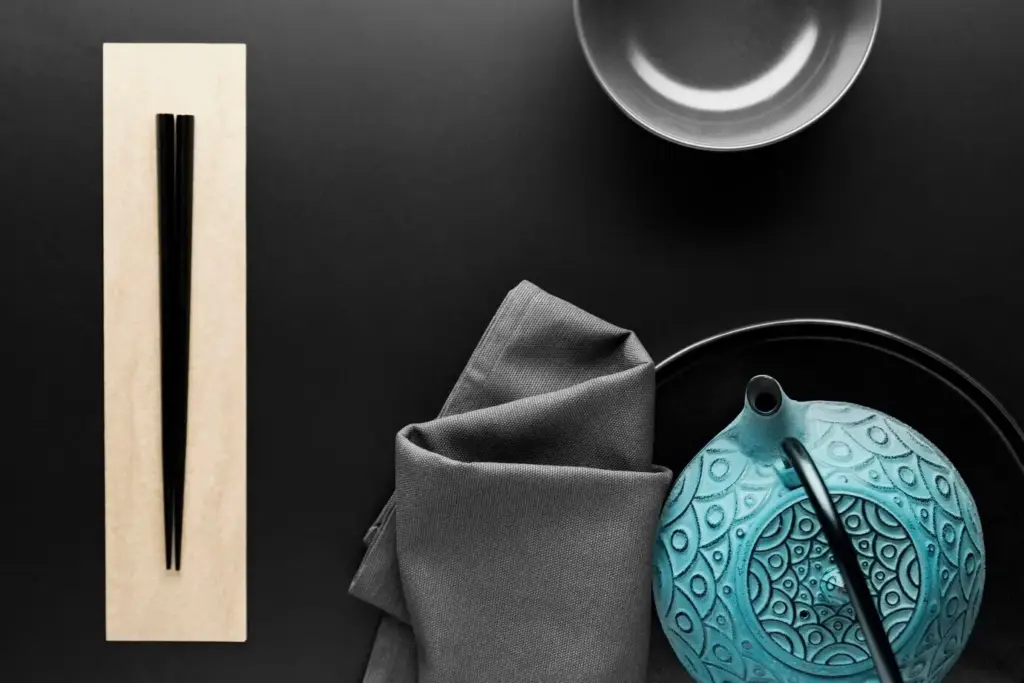
Cool grays sing beside nickel, concrete, and smoked glass. Avoid mixing with orange-leaning woods unless a buffer fabric bridges temperatures. We'll map sample boards showing how a single bluish thread in upholstery can reconcile concrete floors with pale oak cabinetry.
Greige carries both warmth and cool, offering diplomatic balance across collections gathered over years. Learn testing tactics: drape fabric over sofa arms, set tile next to favorite sweaters, and judge at dawn, noon, and dusk before committing to major purchases or installations.